Innovation Driving the Industry
– Brilliant Ideas Have Always Moved the World

“The composite pallet block, also known as a particleboard block, was first introduced in 1970
as an innovative solution for the transportation and packaging industry.
At a time when solid wood was in high demand but in limited supply, sawdust and wood ‘waste’ were transformed into a high-quality block designed for stability and durability.

Today, this practice not only supports sustainable business operations but also significantly reduces the environmental footprint. At our facility, we embrace the motto ‘waste does not exist’ throughout the entire process — from collecting sawdust to producing the final composite pallet block, ready for use or export.”

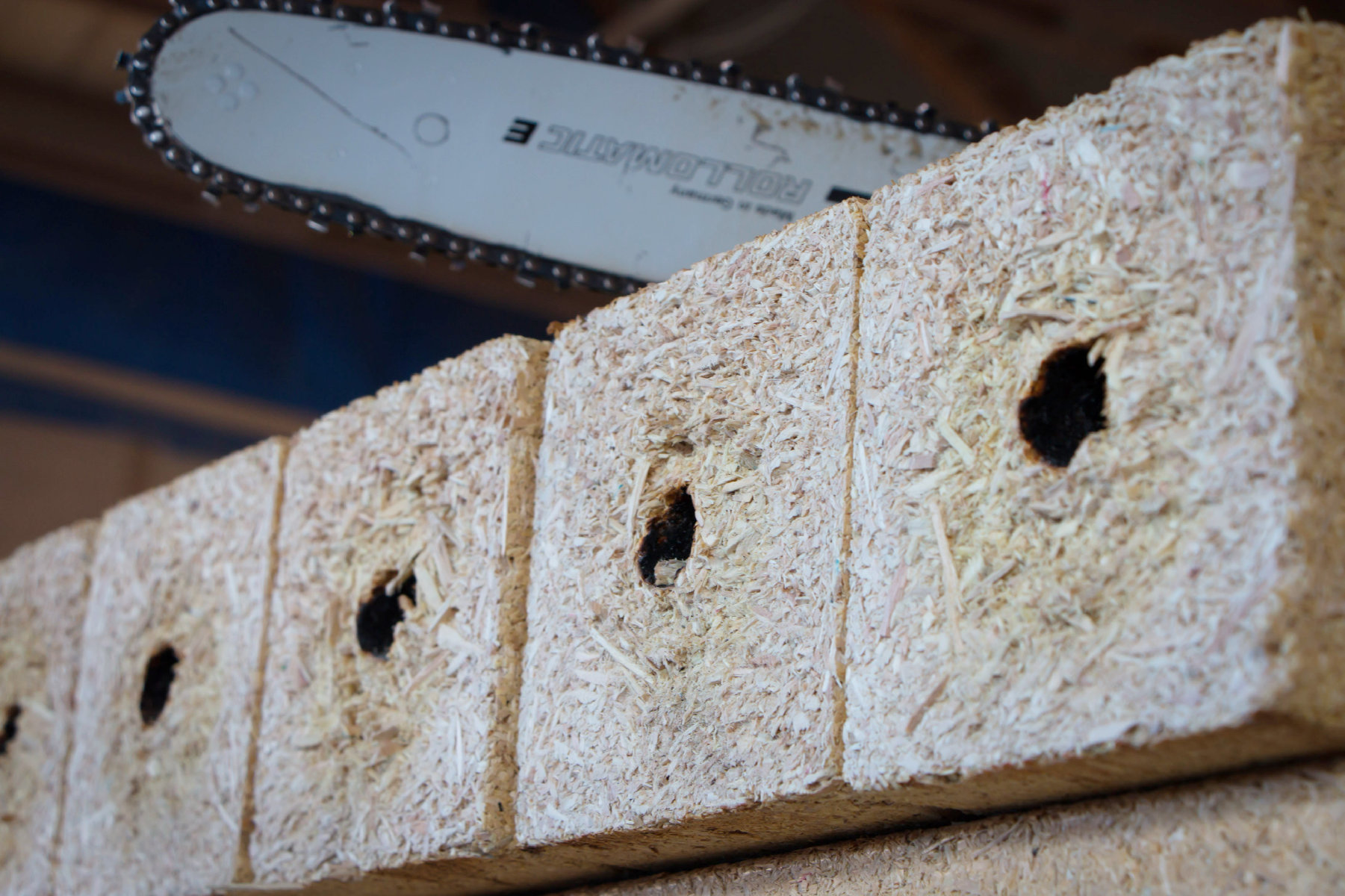
The composite pallet block, also known as a particleboard block, first emerged in 1970 as a response to the growing demand for wooden blocks in pallet manufacturing. 
At a time when raw materials like solid wood were highly sought after but not readily available, large quantities of sawdust and wood ‘waste’ were piling up in landfills.

Recognizing an opportunity for an eco-friendly and sustainable solution, a German entrepreneur developed a method to repurpose wood sawdust into durable composite blocks, meeting the increasing demand for pallet components.

From its inception, the core principle behind this innovation has been maximizing the utilization of available resources. This philosophy continues to guide our production today, where we operate under the belief that ‘waste does not exist.’

Sawdust generated during wood processing serves as the primary raw material for manufacturing composite pallet blocks, which are then used in pallet production or exported to international markets.

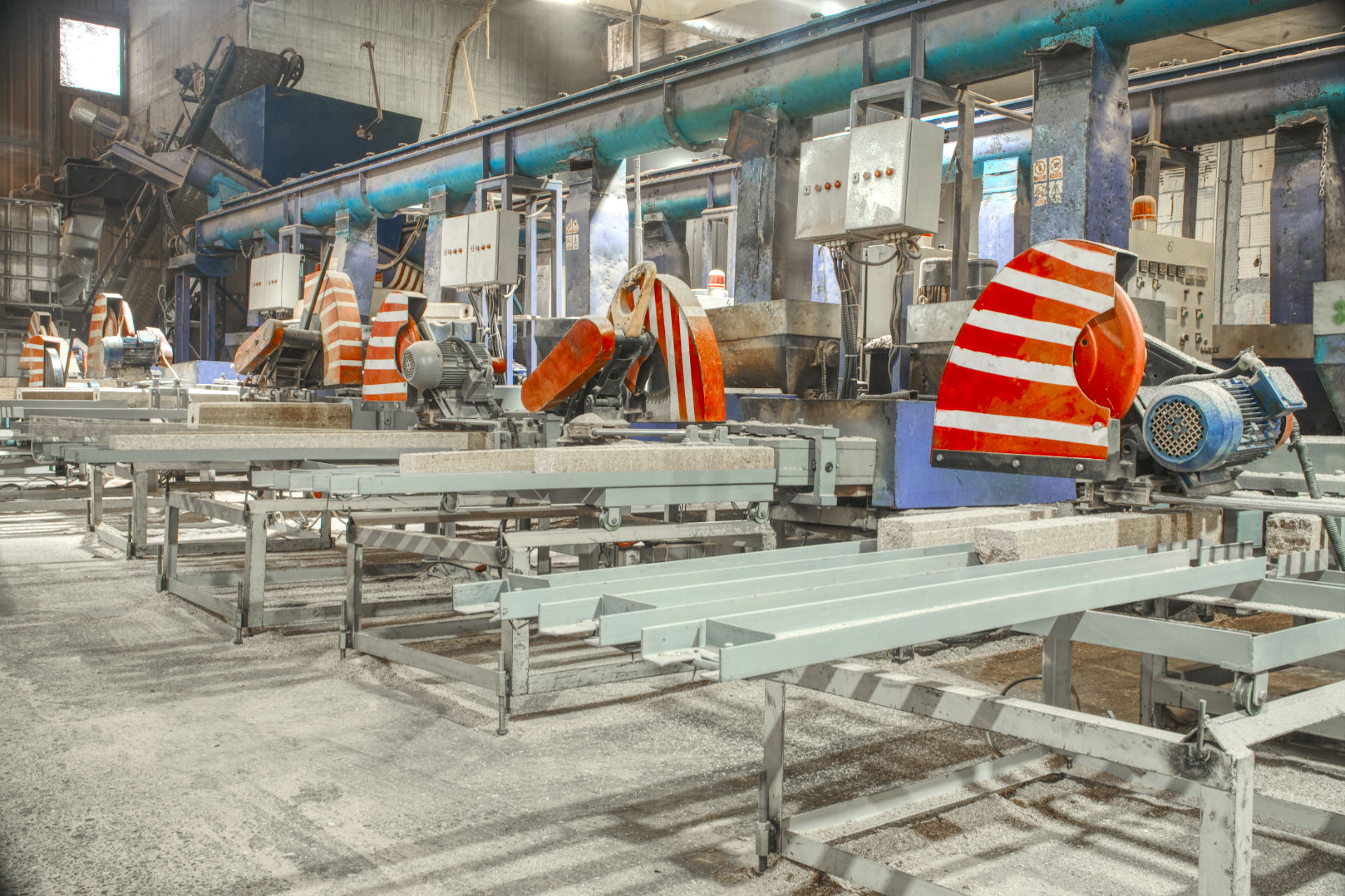
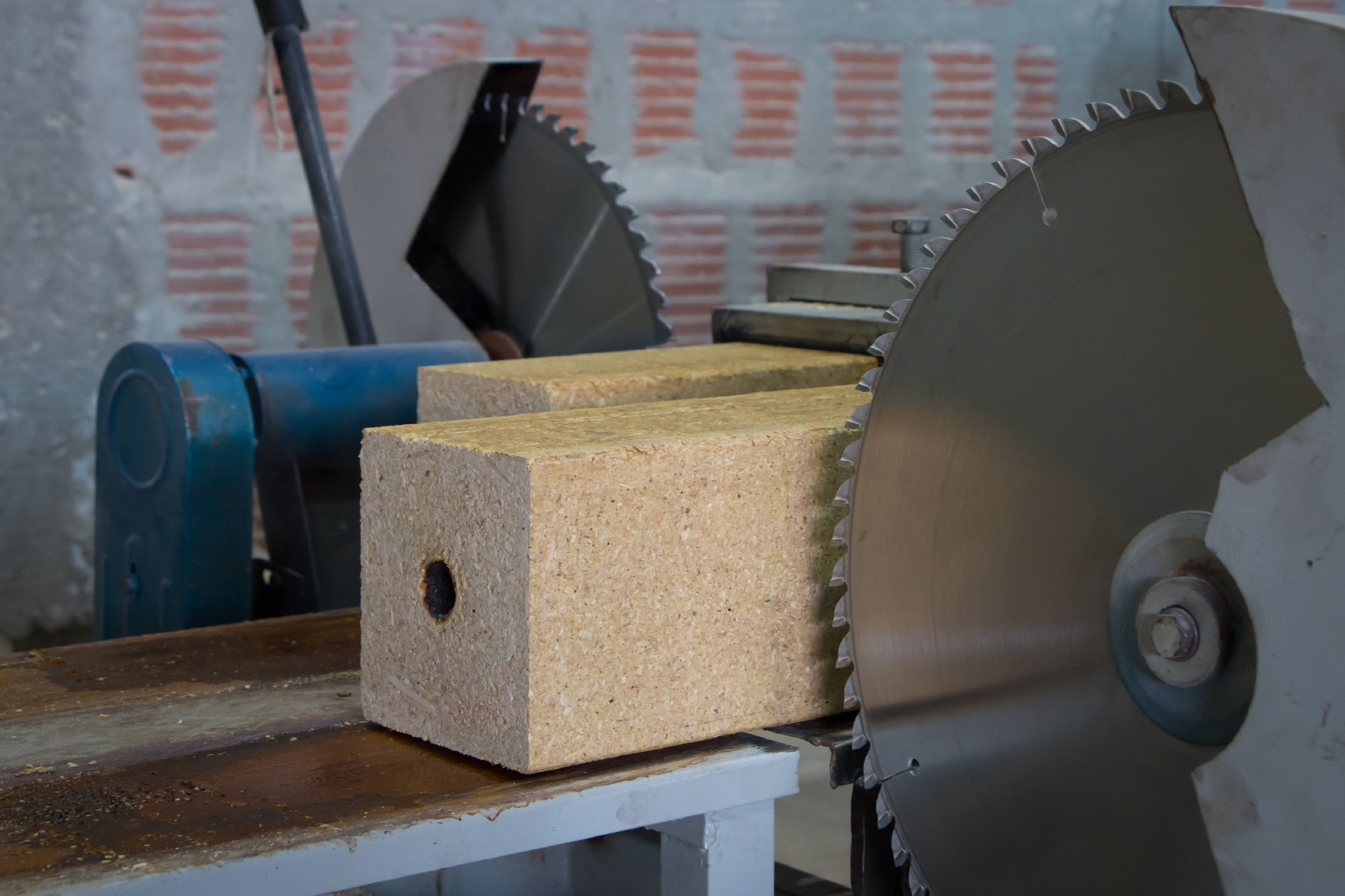
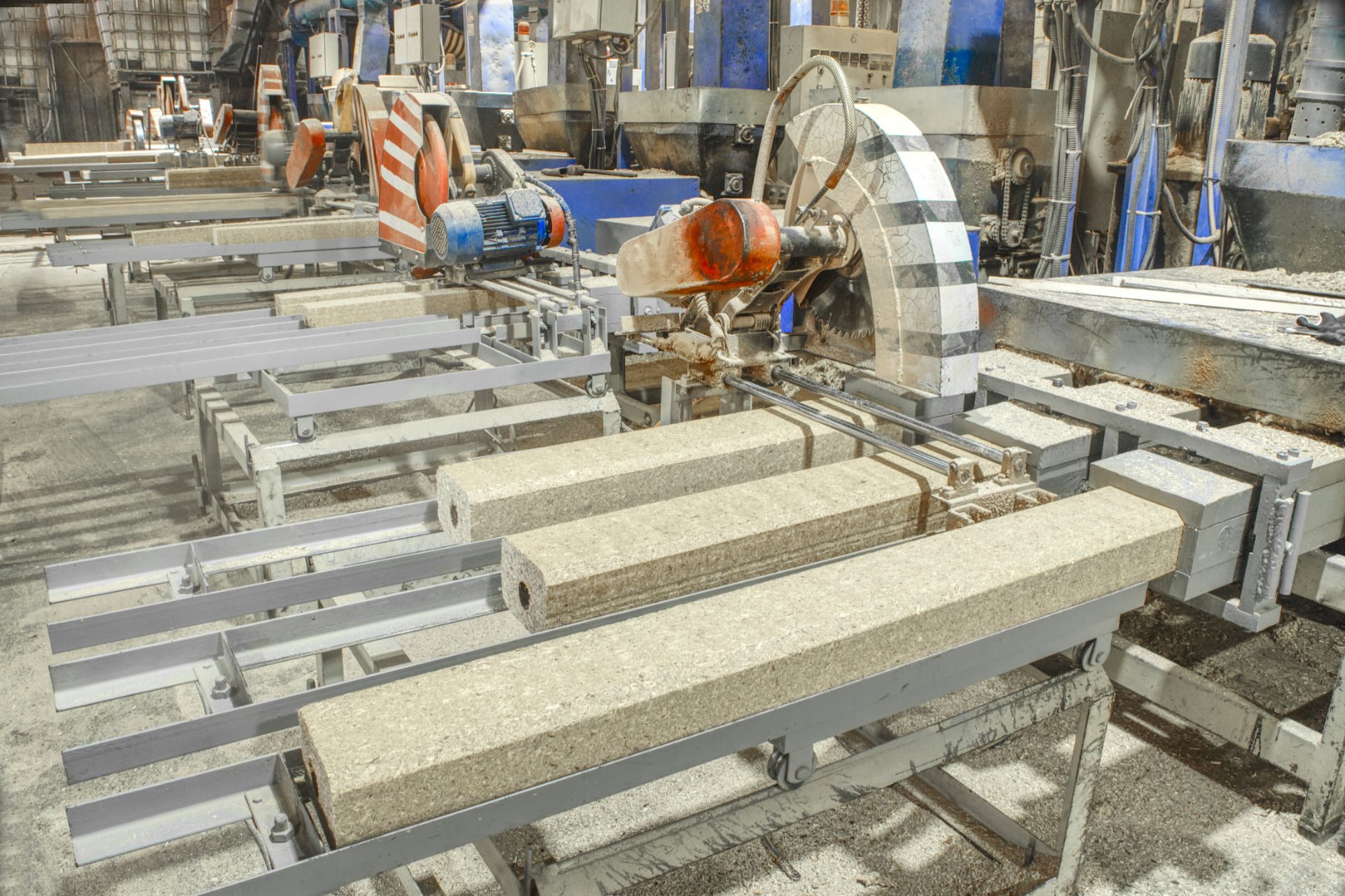
By leveraging cutting-edge technology—including precision cutting, grinding, and high-temperature pressing without the use of water—we minimize waste management costs while delivering a high-quality, sustainable product.

Our production involves strict oversight at every stage—from processing and preparing wood residues to the final product. This meticulous approach ensures our composite pallet blocks stand out for their exceptional density, strength, and durability. They are fully biodegradable and compliant with ISPM 15 standards for international transport.

In addition, we take pride in continuing a tradition spanning several decades, now united under Demka Trade. Thanks to advanced, high-tech equipment and constant automated control of weight, density, and dimensions, our blocks are distinguished by stable parameters and reliable quality. By utilizing innovative binding agents and a paraffin emulsion, along with high temperatures and steam during pressing, we produce a homogeneous wood material with unique performance characteristics.

This approach not only yields economic benefits but also makes a significant contribution to environmental preservation. Our philosophy—“waste does not exist”—drives the ongoing development of innovative methods for recycling and repurposing wood waste, and the composite pallet blocks we manufacture are the best proof of this commitment. Throughout the rest of this page, you will learn more about the advantages and possible applications of these composite blocks, as well as our process that combines sustainability, quality, and cost-effectiveness on a global scale.

We Are the Only Manufacturer of Composite Pallet Blocks in Serbia

Our composite pallet blocks are exceptionally durable, featuring a high density and full biodegradability. They represent an eco-friendly domestic product that fully complies with ISPM 15 standards.

Composite Pallet Blocks from Poplar Wood: A Guide to the Production Process

A Brief Introduction to the Importance of Pressed Blocks in Pallet Manufacturing

Composite blocks form a solid, stable foundation for any reliable pallet. Made from poplar wood, they offer high load capacity while remaining lightweight. As more companies shift to eco-friendly solutions, these pressed blocks have become an essential part of green pallet production, and compliance with the ISPM 15 standard further underscores their international quality.


From Wood Sawdust to a Solid Foundation for Reliable Pallets

Collecting and Grinding the Wood Material

Everything starts with gathering and grinding poplar wood residues—such as sawdust, shavings, and small scraps. This wooden sawdust serves as the primary raw material for further processing, and strict quality control at this stage ensures that clean, finely milled particles form a uniform base for pressed blocks. Special milling machines are typically used to produce a homogeneous mixture suitable for blending with binding agents.

Mixing with Binding Agents

During mixing, the ground wood material is combined with:

  • Low-toxicity urea-formaldehyde resin
  • Paraffin emulsion

These additives help bond the particles together and ensure the finished product’s stability. Maintaining a consistent mixture is crucial so that each wood particle receives an even layer of resin and paraffin. Rigorous oversight of the mixing process guarantees high material homogeneity.


Pressing: Shaping Under High Temperature and Pressure

The Role of High Temperature and Steam

Once a homogeneous mass is formed, the material moves on to the pressing phase. Under intense heat and pressure, it is compressed into molds of the desired dimensions. Steam is vital to this process because it enhances material uniformity, allowing the resin to penetrate evenly throughout the mass. The resulting blocks are extremely robust and resistant to cracking.


Final Inspection and ISPM 15 Compliance

Rigorous Quality Control

After leaving the press, pressed blocks undergo stringent checks to verify:

  • Weight
  • Dimensions
  • Density

All these characteristics must meet high standards, including adherence to the ISPM 15 standard. This international requirement ensures that the material is treated to prevent the spread of pests or diseases, which is critical for global transport.

Block Dimensions

In practice, two primary dimensions are most commonly used:

  • 100 x 145 x 78 mm
  • 145 x 145 x 78 mm

Of course, dimensions can be adapted to the specific requirements of various industries.


Material Density and Load Capacity

One of the main advantages of poplar wood is its uniform structure, contributing to the high homogeneity of the finished product. This directly affects:

  • Density: Stable block density provides adequate load capacity.
  • Maximum Pressure Resistance: These tightly pressed blocks can withstand heavy loads, making them ideal for all kinds of pallets, from lightweight to extremely heavy-duty.

Ecological Performance and Sustainability

Biodegradable and Water-Free

The production of pressed blocks does not require water, and the final product is biodegradable. This significantly reduces environmental pollution and conserves natural resources.

A Sustainable Solution for the Industry

By using wood sawdust and recycled wood residues, this type of production greatly minimizes waste and lowers the carbon footprint. As a result, green pallet production often relies on poplar-based pressed blocks, establishing a responsible, sustainable approach to logistics and warehousing.


Applications in Various Industries

Pressed blocks are widely used in the food, pharmaceutical, construction, and many other industries. Thanks to compliance with the ISPM 15 standard, they are ideal for international transport and storage with minimal risk of contamination or quarantine barriers.


Crafted from poplar wood under rigorous standards, pressed blocks provide a reliable and eco-friendly base for pallet manufacturing. Their green production, which incorporates recycled wood residues and sawdust, leads to lower costs and greater environmental protection. Compliance with the ISPM 15 standard confirms their high quality and readiness for global transport, making them an indispensable choice for anyone seeking dependable and sustainable solutions in the logistics sector.

Key Features:

  1. Strong nail retention and reliable construction
  2. No need for additional insect treatments
  3. High stability and resistance to impact and deformation
  4. Minimal risk of mold growth
  5. Resistance to a wide range of temperatures
  6. Consistent moisture content and structural integrity
  7. Easy recycling and eco-friendly

Material Advantages:

  • Eco-Friendly Sustainability
    • Recycled materials and a water-free process reduce natural resource usage and CO₂ emissions.
  • High Durability
    • Resistant to deformation, cracking, and moisture absorption due to a specialized pressing process.
  • Low Maintenance
    • No additional chemical treatments needed; retains shape over time.
  • Certified Quality
    • ISPM 15 compliant – safe for global exports.

Sustainability:

  • Eco-friendly wooden product – Composite pallet blocks are environmentally friendly because they are made from byproducts of the wood industry.
  • Conserving wood resources – One of the key benefits of composite blocks is their role in reducing waste and using wood materials more efficiently. By pressing this waste, compact and durable products are created.
  • No chemical treatment required – Unlike traditional wooden products, composite blocks typically do not need intensive chemical treatments. The high temperatures used during pressing reduce the risk of insects, mold, and bacteria.
  • Recyclable after use – Once composite blocks are no longer needed, recycling is a crucial step in the sustainability cycle. This sustainable material can be easily processed into other wood composites, particleboard, or heating pellets.

Complete Replacement for Solid Wood:

  • In line with international wood packaging treatment regulations, ISPM 15, composite blocks do not contain solid wood as the primary material.
  • No Sirex treatment (treatment against Sirex wood wasps) is needed.
  • The material does not support mold or insects.
Feature Our Composite Blocks Standard Wooden Blocks
Material Density High Medium
Moisture Resistance Yes No
Recycled Material Yes No
Chemical-Free Depends on process (low toxicity) Varies by manufacturer
Quality Control (CNC) Yes Limited


Dimensional Stability

After the manufacturing process, the average moisture content of composite blocks is around 10%. This moisture level is carefully controlled to:

  1. Ensure Stability – Maintaining a moisture level of approximately 10% reduces the risk of deformation.
  2. Facilitate Precise Assembly – When the blocks are optimally dry, wooden pallets can be assembled more accurately.
  3. Improve Moisture Resistance – Lower moisture levels allow for better adhesion of waterproof glues, increasing the pallet’s overall durability.

Dimensional stability means that the composite blocks will not undergo significant changes in size or shape during storage or transport. Even minor variations in dimensions could cause issues with loading and unloading systems. During production, careful attention is given to:

  • Raw material quality
  • Temperature and pressure control
  • Regular testing

ISPM 15 Certification: Everything You Need to Know About Phytosanitary Treatment for Wood Packaging

ISPM 15 standard has become an essential topic for all manufacturers, exporters, and importers using wooden packaging in international transport.
Whether dealing with traditional wooden pallets or pallets made with composite blocks,
applying this standard is critical to preventing the spread of harmful organisms, fungi, and insects that can cause significant environmental and financial damage.
In the following sections, we will provide a detailed explanation of what ISPM 15 is, why it matters,
what requirements must be met, and how to properly label pallets to ensure compliance with global regulations.

What is the ISPM 15 Standard and What is its Purpose?

ISPM 15 (International Standards for Phytosanitary Measures No. 15) is an international phytosanitary standard established by the International Plant Protection Convention (IPPC) under the auspices of the Food and Agriculture Organization (FAO).
Its purpose is to define procedures and techniques for phytosanitary treatment of wooden packaging materials—primarily pallets, crates, boxes, and other forms of solid wood packaging.

Why is it important for international goods transport?

During goods transport, wooden packaging often crosses multiple national borders. Without proper treatment, wood can harbor insects, larvae, fungi, or other harmful organisms that could spread to local flora and fauna, threatening agriculture, forestry, and ecosystems.
ISPM 15 provides:

  1. Protection against the spread of quarantine pests
  2. A standardized marking system that simplifies customs and phytosanitary inspections
  3. Economic savings by preventing import/export bans or shipment delays due to non-compliant packaging
  4. Safer and smoother global trade

In short, the ISPM 15 standard is a critical element in the international trade and transportation chain.

The Phytosanitary Treatment Process

For wooden packaging materials to comply with the ISPM 15 standard, they must undergo a phytosanitary treatment. The most commonly used methods include:

  1. Heat Treatment (HT)
  2. Methyl Bromide Fumigation (MB)
  3. Other chemical treatments (less frequently used)

Due to increasingly strict environmental regulations, methyl bromide is now avoided or banned in many countries,
making heat treatment the dominant practice in much of the world.

1. Heat Treatment (HT)

Heat treatment is the most widespread method, involving the heating of wooden packaging materials in a chamber to a temperature of at least 56°C at the core for a minimum of 30 minutes. This entails:

  • Reaching the required chamber temperature (typically between 56°C and 60°C)
  • Continuous measurement of core wood temperature
  • Maintaining this temperature long enough to eliminate all pests (eggs, larvae, adult insects)

Heat treatment often reduces wood moisture content, making pallets less susceptible to mold and fungi.

2. Methyl Bromide Fumigation (MB)

Methyl bromide fumigation also meets ISPM 15 standards. This process involves:

  • Sealing the wooden packaging in an airtight chamber
  • Introducing a controlled dose of methyl bromide
  • Maintaining the gas-to-wood contact for a specified period (usually 24 hours or more)

However, due to the negative environmental impact of methyl bromide on the ozone layer, many countries have strict regulations and limitations.
As a result, fumigation is declining in use, while heat treatment is now more widely accepted and environmentally sustainable.

Criteria Wooden Packaging Must Meet

Whether heat-treated or fumigated, the ultimate goal is always the same: to eliminate potential pests and prevent their spread across borders. Key criteria include:

  • Achieving the required temperature (minimum 56°C at the core for heat treatment)
  • Maintaining the treatment duration (at least 30 minutes at the required temperature)
  • Controlling humidity and ventilation in the chamber (for heat treatment)
  • Accurate and clear marking after treatment

Legal and Customs Regulations

ISPM 15 is recognized by more than 180 countries worldwide. In practice, this means that every country that is a signatory to the IPPC convention has implemented or plans to implement mandatory controls on wooden packaging materials according to ISPM 15 requirements.

ISPM 15 in Serbia and the Region

In Serbia, as in most countries in the region, wooden packaging intended for international transport must comply with ISPM 15.
This means:

  • The manufacturer must have approval from the relevant phytosanitary or forestry authorities
  • Untreated wood that does not meet the standard cannot legally be used for cross-border transport

If wooden packaging fails to meet ISPM 15 requirements, customs authorities may:

  • Deny entry of the goods
  • Order the destruction of the packaging
  • Impose fines or require the importer to replace the packaging

Global Consequences of Non-Compliance

On a global level, non-compliance with this standard can lead to:

  • Penalties and sanctions from customs and phytosanitary authorities
  • Rejected shipments or the return of goods to the sender
  • Additional storage and transportation costs if replacement or retroactive treatment of packaging is required

Therefore, ISPM 15 certification is essential for companies looking to avoid unnecessary expenses and complications in international trade.

Differences Between Traditional Wooden Pallets and Pallets with Composite Blocks

Traditional Wooden Pallets

Traditional wooden pallets are entirely made of solid wood planks and blocks.
Advantages of traditional wooden pallets include:

  • Simple manufacturing and repairs
  • Relatively low cost depending on wood quality
  • Availability (many producers in the region)

However, they also have drawbacks:

  • Higher susceptibility to moisture absorption
  • Risk of insect and mold development if the wood isn’t properly dried
  • Need for regular (re)treatment if used in international transport

Pallets with Composite Blocks

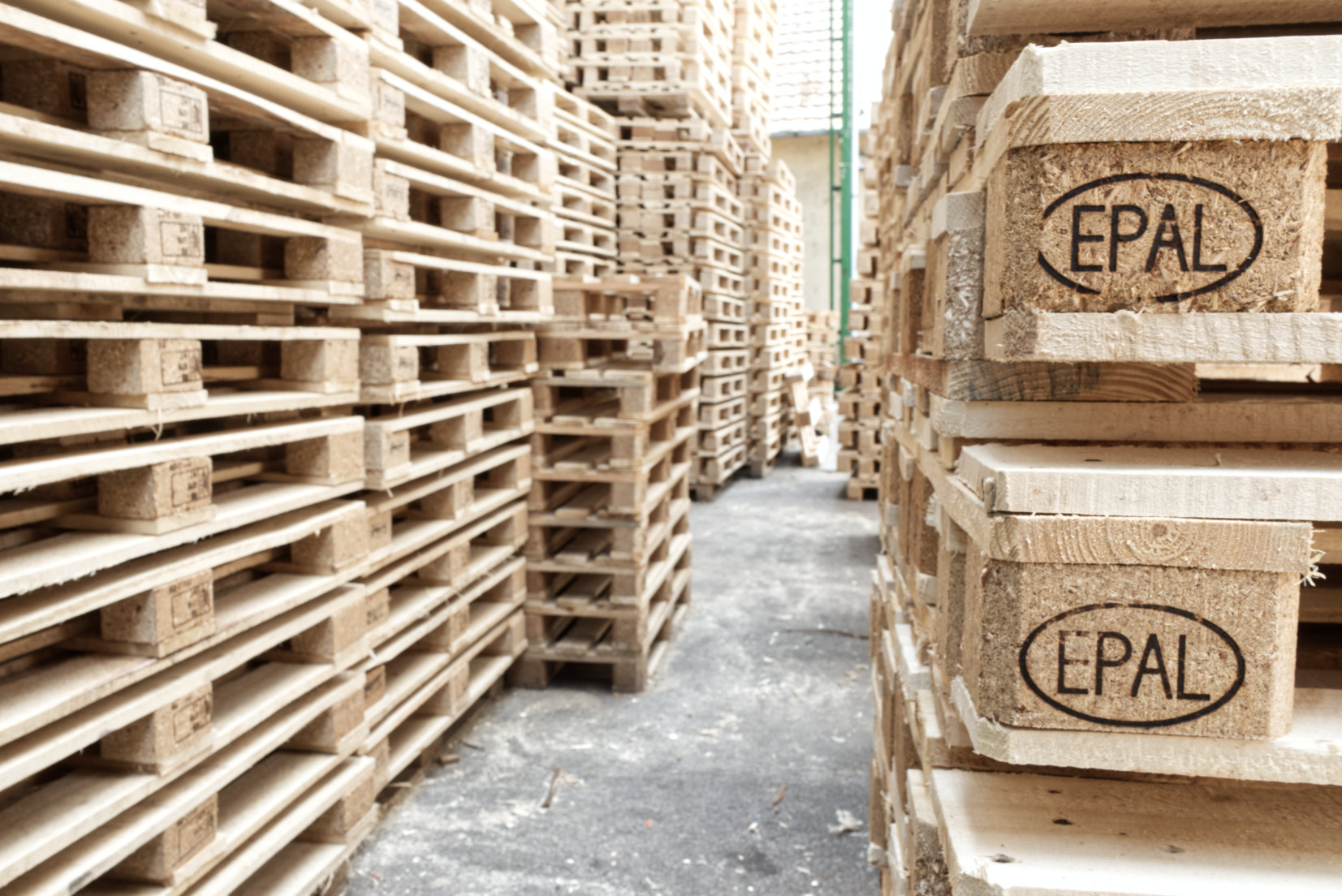
Pallets with composite blocks consist of wooden planks (top and bottom decks)
and composite blocks in between. These blocks are made from:

  • Recycled wood or sawdust
  • Bonded with resins or adhesives
  • Processed under high pressure and temperature

Advantages of composite blocks include:

  1. Moisture resistance – their production method makes them less prone to moisture absorption compared to solid wood
  2. Lower likelihood of pest infestation – high temperatures during production eliminate insects and pathogens
  3. Consistent quality – process control ensures uniform density and strength

Environmental Sustainability and ISPM 15 Compliance

Do Composite Blocks Require the Same Treatments?

According to IPPC guidelines, wood materials made from bonded sawdust or chips (so-called processed wood)
are generally not considered a risk to the same extent as solid wood.
Since these materials undergo high temperatures and pressures during production,
many composite block manufacturers state that their products automatically meet certain ISPM 15 criteria.
However, local regulations may require additional documentation or pallet stamping
to confirm that the remaining wooden parts (planks) also comply with the standard.

Environmental Aspects

By using recycled wood and sawdust as the primary raw materials, composite blocks contribute to:

  • Reducing waste and improving the utilization of wood resources
  • Extending the lifespan of pallets (due to better moisture resistance and durability)
  • Lower emissions compared to the processes of drying and treating new wood

For this reason, these pallets are often chosen by companies pursuing sustainable, eco-friendly logistics.

Pallet Markings

Every ISPM 15 certified pallet must be clearly marked in a visible location.
A standard stamp typically includes:

  • IPPC logo (classification symbol)
  • Two-letter country code (e.g., RS for Serbia)
  • Unique manufacturer number (assigned by a relevant inspection authority)
  • Treatment designation (e.g., HT for heat treatment or MB for fumigation)

These markings are usually placed on the sides of the pallet for easy visibility during inspection.
Sometimes the stamp is also placed on the top deck, but it must always be legible and permanent.

Frequently Asked Questions (FAQ) About ISPM 15

1. Is it mandatory for every export?
Yes, if goods are exported in solid wood packaging, ISPM 15 is mandatory in almost all IPPC member countries.
Exceptions exist for packaging made from processed materials (plywood, particleboard, composite blocks, etc.),
but it’s still advisable to check the specific requirements of the importing country.

2. Are pallets with composite blocks always exempt from treatment?
In most cases, composite blocks do not require additional treatment, as they are produced under high heat and pressure.
However, the wooden planks or other non-composite parts of the pallet may still require treatment and marking under ISPM 15.

3. What documents are needed for the pallet?

  • Phytosanitary treatment certificate issued by an authorized body (if requested by importers or customs authorities).
  • Product documentation (manufacturer, production date, batch number, etc.).

4. How can I verify if a supplier is truly certified?

  • Check official registers maintained by relevant phytosanitary or forestry inspection authorities in the producer’s country.
  • Request a valid certificate showing the validity period, authorization number, and issuing authority’s contact information.

Compliance with the ISPM 15 standard is crucial for anyone engaged in international trade.
It not only protects against pests and diseases, but also ensures smooth goods flow across borders.
Whether you use traditional pallets or have switched to composite block pallets,
it’s important to ensure proper phytosanitary treatment and valid marking.

If you need professional assistance in obtaining or renewing ISPM 15 certification, contact certification bodies or your local phytosanitary inspection office.
For more information on international standards and procedures, visit the official IPPC website.

Don’t let bureaucracy, customs issues, or potential fines disrupt your operations.
Ensure ISPM 15 certification ahead of time to streamline your export or import processes!


References